Key Takeaways
- A swift response is critical to reduce property damage and health risks from water exposure. The importance of immediacy cannot be overstated; it saves money and keeps your home safe!
- Water damage, if untreated, can result in significant repair and property damage. Taking care of it sooner preserves the value and beauty of your home.
- Mold and bacteria from water damage are hazardous to our health, particularly for children and the elderly. Enhancing air quality and drying are key.
- Why professional restoration services? They bring experience, specialized equipment, and speed. They can help with insurance claims, making the restoration experience easier.
- Determining the origin of water damage is crucial. Submit the claim to the insurance company and contact professionals to address it.
- Preventive measures, such as proper ventilation and humidity control, help mitigate the risk of mold growth after water damage. Routine checks are essential for long-term prevention.
Water damage restoration in Somerset WI, by First Response Restoration involves professional services to address water-related issues in homes or businesses. Their expert team helps you remove water, dry your space, and repair damage caused by leaks, floods, or other water emergencies. Using state-of-the-art equipment and techniques, they aim to restore properties to their former condition promptly, without added risk. With an emphasis on dependability and professionalism, they offer customized services for your restoration requirements.
Quick Action Matters
Water damage restoration is one of those things where the first 24 hours really matter and the sooner you start the process the better the outcome in terms of property and health. Waiting even a few hours can make things spiral out of control, where resolution becomes more complicated and expensive. A prompt response ensures any damage is rapidly evaluated, mitigated, and repaired, protecting your home and your health.
Property Impact
Water damage can soon grow into costly repairs. For instance, puddles can seep into flooring, walls, and ceilings, causing them to weaken or rot. Hardwood flooring and drywall are prone to needing replacement if you wait. Ignoring these problems can even have long-term implications, like home devaluation, as visible damage and odors keep buyers away. Property looks are essential to maintain; water stains and warped surfaces are not only ugly but also indicate potential underlying structural issues.
Health Concerns
Mold, bacteria, and other pathogens can thrive in standing water. Within 24 to 48 hours, mold spores can take hold, causing respiratory issues and allergies and posing more significant health hazards to occupants. Vulnerable populations — kids, the elderly, and those with other conditions — are especially at risk. Poor air quality from dampness can only worsen this. Professional dehumidification and sanitation following water damage is crucial in restoring a safe living environment.
Cost Implications
Quick action can keep repair costs from spinning out of control. For example, fixing a small leak right away is much cheaper than repairing the structural damage caused by long-term exposure. It’s worth budgeting for the pros because do-it-yourself fixes rarely get to the root of the problem. Many insurance policies cover water damage, but it may depend on the cause and how quickly you respond, so read your policy and respond promptly.
Structural Stability
Long-term water exposure degrades foundation elements such as concrete, wood, and metal. Wood beams could warp or rot, and drywall could disintegrate with persistent moisture. Any signs of structural damage, such as cracks, sagging ceilings, or uneven floors, need to be addressed immediately to avoid safety issues. Reinforcements, if done quickly, can save your home and prevent long-term damage.
Mold Threats
| Condition |
Preventive Measure |
| Humidity above 60% |
Use dehumidifiers and improve ventilation |
| Water pooling in surfaces |
Dry immediately and repair leaks |
| Organic materials exposed |
Remove or treat affected items |
Early detection of mold is what counts. Observe discoloration, musty smells or damp patches on walls and furniture. Mold will worsen health problems when left unchecked, particularly in confined indoor environments.
Water Damage Types
It’s about water damage types. Knowing these differences is crucial for restoration and reducing residual impact.
Source Identification
About: Types of Water Damage. The usual suspects are plumbing leaks, like burst pipes, defective appliances, or old water heaters. Natural causes, such as heavy rains or rapidly melting snow, can lead to flooding, while structural problems, such as faulty drainage or a compromised roof, can facilitate water entry.
Promptly addressing the source is critical. For example, a dripping pipe can develop into severe damage before you know it. Quick recognition and response can avoid secondary problems like mold, which tends to rear its ugly head within 24 to 48 hours.
Quality documentation is just as necessary as it is practical for insurance. Snapping pictures of the source and type of damage expedites claims and maintains clarity throughout the restoration process. Hiring experts, such as First Response Restoration, guarantees complete source identification and customized remediation strategies.
Clean vs Contaminated
Water damage falls into three categories: clean, gray, and black water. Clean water damage, the least dangerous, comes from uncontaminated sources, such as a burst pipe or rainwater. It is the least hazardous in terms of health consequences and the simplest to remediate with a quick response.
Gray water, mildly contaminated, is from appliances such as washing machines or dishwashers. It is not directly toxic, but it is a breeding ground for bacteria, so it should be handled with caution to avoid health hazards.
Black water is the most severe type with dangerous pathogens. Sewage backups or floodwater are examples as they often contain chemicals or biological matter. Black water is toxic and needs specific tools and safety protocols to manage. Direct contact may cause significant health issues.
Water type dictates restoration. Clean water might need drying and dehumidification, but black water will need advanced sanitation and disposal.
Local Causes
Somerset WI water damage types. Spring and fall’s heavy rains and snowmelt are frequently the culprit behind flooding. Rapid temperature changes can cause pipes to burst, particularly in older homes that lack contemporary insulation.
Seasonal issues, such as frozen gutters or clogged drains, increase the hazard by pushing water into susceptible spaces. Old infrastructure, such as antiquated sewer pipes and systems, may not withstand a sudden influx of water without risking backups.
Community resources and local experts offer essential advice to counteract these dangers. Keeping an eye on weather alerts, maintaining plumbing, and addressing structural issues can reduce the risk of water damage in this area.
Restoration Process
Water damage restoration is a detailed and multifaceted process to ensure the damage is properly treated and does not come back. First Response Restoration in Somerset, WI takes a methodical, professional approach to get the job done right. Our certified teams utilize state-of-the-art equipment and years of experience to treat every phase with accuracy.
Initial Assessment
The restoration process begins with a detailed assessment. Trained technicians inspect the affected property to determine the extent of damage. They identify areas where water intrusion is most severe, such as basements, walls, or ceilings. This information is documented to develop a targeted restoration plan.
Prioritization is key during this step. Areas posing immediate risks, like structural instability or electrical hazards, are addressed first. Assessment results are communicated clearly to clients, ensuring transparency and facilitating informed decision-making.
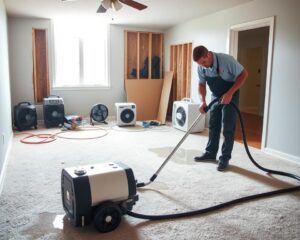
Swift water extraction is essential to reduce additional harm. Teams employ cutting-edge technology, including industrial pumps and vacuums, to remove standing water efficiently. Other measures include tracking moisture with specialized meters to ensure all the water is eliminated.
Safety is foremost throughout the process. Workers follow strict precautions to keep themselves and the home safe. We remove damaged materials and restore your property to its pre-loss condition. This makes it environmentally safe and complies with legal requirements.
Drying Methods
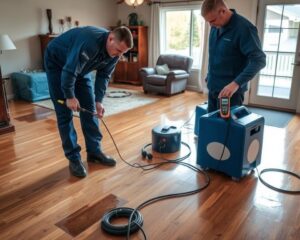
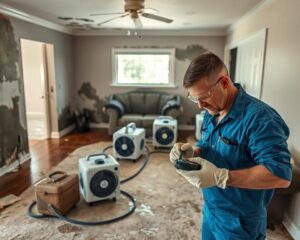
After harvesting, drying is necessary to remove any remaining moisture. Experts then use dehumidifiers, air movers, and heaters to establish ideal drying conditions. Equipment placement is intelligent, targeting the downstairs corners and underfloor areas.
Periodic checks to monitor progress. We monitor humidity levels until they are within safe ranges. They inform homeowners about the restoration process and why drying everything thoroughly is so important to prevent mold or mildew from developing, which would require expensive repairs later.
Damage Repair
Once we’re dry, it’s time to get to work repairing and restoring damaged structures. This means evaluating walls, floors, and the like for replacement or reinforcement. We hire contractors to ensure craftsmanship and adherence to industry standards.
All work is logged for insurance and record-keeping. Where appropriate, clients can use this downtime to make visual improvements.
Final Inspection
The last step is an inspection. Professionals ensure that the property is thoroughly dried and cleaned of any contaminants. We send clients a comprehensive restoration process report for their records.
Follow-up visits to keep an eye on the restoration’s longevity. In certain situations, 24/7 support is provided for emergencies, which keeps clients happy.
Delayed Response Risks
Water damage is not something that can wait to be dealt with because it’s infinitely harder to deal with the longer you wait. Waiting to restore damages does more than make the damage worse. It causes hidden dangers and long-term impacts that are hard to undo.
Escalating Repairs
When water damage is ignored, it can quickly escalate from a minor problem to a major one. In only a few minutes, water can absorb into porous items such as carpets, rugs, and upholstery. Over time, this moisture penetrates deeper into the drywall, wooden structures, and insulation. Wood might warp or rot, furniture might swell, and metal might rust. All of these problems complicate the recovery and make repairs longer and more involved.
Economically, delays are expensive. What could have been addressed as simple water extraction and drying can quickly turn into large-scale structural repair, such as replacing warped flooring or reconstructing water-damaged walls. Waiting past the first 24 to 48 hours can lead to mold, which requires specialized treatment and increases your costs. A clear timeline helps visualize this progression: within hours, materials start absorbing water; within days, mold colonies form; and within weeks, structural integrity is compromised. There’s simply no substitute for proactive action to minimize repair costs.
Hidden Hazards
The risks of latent vulnerabilities compound with each day that water damage remains untreated. Mold is the most common and worrisome. It flourishes in moist, shadowy conditions, typically sprouting behind walls, beneath floorboards, or within air ducts, areas that are concealed. Mold can ruin your materials and pose serious health hazards, including respiratory problems and allergies.
Structural weaknesses are yet another lurking danger. Humidity can rot load-bearing walls, weaken beams, and compromise foundations, all while leaving the home susceptible to further damage. Deep inspections are necessary to reveal these submerged issues. Ignoring peeling paint, mustiness or unexplained moisture can make matters worse and render the property unlivable.
Long-Term Effects
Water damage does not wait. Property value is usually the first to suffer, as deep damage and aftershock issues like mold can lower resale appeal. If left unattended, damage can become permanent wood rot or rusted metal.
Health complications are other knocks. Delayed response risks, if left to fester, prolonged exposure to mold spores and dampness can cause chronic respiratory problems or exacerbate allergic conditions such as asthma. Scheduled sprinkler inspections, coupled with public awareness for timely identification, will mitigate these delayed risks and support more sustainable homes.
Service Selection Guide
When it comes to water damage, choosing an exemplary restoration service is vital to restoring your property and mitigating further loss. Here are some essential factors to consider as a property owner in Somerset, WI, when selecting First Response Restoration or other service providers.
Credentials Check
Start with the basics—check the company’s licenses and certifications. A licensed service provider meets local regulatory requirements and industry standards, building trust. Certifications such as those from the IICRC (Institute of Inspection, Cleaning, and Restoration) demonstrate expertise in water damage restoration.
Check the technician training and experience. Only specialist teams trained to handle water, fire, or flood damage can handle the more devastating situations. Whether it’s a natural disaster or a busted pipe, their extensive experience ensures complete restoration.
See if it’s covered by insurance. Your average restoration company will be fully insured against such liability. Memberships in industry associations such as the Restoration Industry Association (RIA) are an indicator of the company’s dedication to standards.
Service Comparison
Local restoration service comparisons select the best fit. Below is a table summarizing key aspects:
| Service Provider |
Emergency Response |
Pricing |
Additional Services |
| First Response Restoration |
Within 1 hour |
Competitive |
Mold remediation, reconstruction |
| Competitor A |
2–3 hours |
Higher |
Limited additional services |
| Competitor B |
1–2 hours |
Lower |
No mold remediation |
Consider whether the provider offers one-stop shopping for services such as mold remediation and structural repairs. These value-added services ensure you don’t have to waste time hiring a lot of different contractors. Their availability for 24/7 emergencies is essential, as water damage usually can’t wait.
Customer Feedback
User reviews and testimonials offer great service insights. Identify recurring patterns in comments, such as timeliness, impact, and communication—Service Selection Guide. Great reviews mentioning reliability mean you have a winner.
Interact with former clients where feasible. These employees’ firsthand experiences can illuminate the strengths and weaknesses of the restoration company. Consider this when making your selection.
Response Speed
To minimize water damage, quick action is needed. Businesses that get back to you in an hour can save you from mold or structural damage. When researching, ask about average response times and whether they have on-call teams for emergencies.
Insurance Support
Verify if the service supports insurance claims. They typically assist in documenting damages to make the claims process more manageable. Make sure they’re knowledgeable about local insurance requirements and can navigate you through the paperwork for successful claims.
Mold and Health Safety
Even if it’s not immediately visible, water damage and mold are closely linked because mold thrives in damp environments. Mold can start growing within 24 to 48 hours of water exposure, contributing spores to the air and posing health risks. If not treated immediately, mold can make restoration more difficult and more expensive, and pose a health hazard to occupants.
Prevention Steps
- If you’re water-exposed, act fast. Get rid of the standing water to lessen moisture.
- Keep indoor humidity low (30-50%) with dehumidifiers and air conditioning.
- Ventilate spaces prone to moisture, such as bathrooms and basements.
- Check plumbing, roofs, and windows frequently for leaks or water damage.
- Carefully clean, disinfect, and dry surfaces within 24 hours.
Good ventilation is equally essential as fast action. Mold loves humidity, so keeping it below 60% is crucial—frequent checkups help detect early signs of water problems. A minor leak under a sink can rapidly transform into a major mold issue. With these measures, homeowners can drastically reduce the likelihood of mold after water damage.
Professional mold remediation follows a process. They start by remediating the moisture source, which is key to stopping mold growth. Containment, such as sealing off affected areas, prevents the spread of spores during remediation.
Mold is removed by certified professionals using specialized equipment such as HEPA vacuums and industrial-grade cleaning agents. Disinfection is just as vital because it guarantees no harmful residue remains. Once the remediation is complete, the area is thoroughly dried and tested to confirm it has been remediated.
While DIY mold removal can result in incomplete or exacerbated problems by spreading spores, certified professionals provide expertise and safety precautions to protect your home in the long run.
Professional Benefits
There are many benefits of hiring professionals for water damage restoration. Their expert tools, such as moisture meters and industrial-strength fans, accelerate drying and ensure it is thorough. They conserve crucial time, particularly in critical situations where time is of the essence to prevent mold growth.
In addition to technical knowledge, experts offer reassurance by adhering to industry health and safety standards. This reduces the risk to your family and gets the restoration process on track. Investing in the pros ultimately saves your home and your health.
Local Insights and Best Practices
When it comes to water damage restoration in Somerset, WI, you need to know what works. Together, these strategies help homeowners mitigate risk and rebound smartly from water disasters by focusing on local realities, community expertise, and powerful tools.
Seasonal Factors
- Check and clean gutters, particularly in the fall, so they do not become clogged and cause water to spill over.
- Seal any visible cracks in foundations or walls to keep water out during heavy rains or snowmelt.
- Make sure sump pumps are up and running and have backup power for storm seasons.
- Cut back tree branches near your home.
Somerset’s climate sees pounding precipitation and snowmelt, making it more susceptible to flooding. Residents keep a close watch on weather reports, getting a head start on things like moving prized possessions to upper levels during alerts. Seasonal upkeep, such as checking your roof for leaks and insulating your pipes against freezing, is critical to safeguarding your property year-round.
- Turn off the water to prevent further flooding.
- Shift any valuables or sensitive objects to dry locations.
- Towels, mops, whatever it takes to absorb that puddle until you have assistance.
- Contact restoration experts promptly to assess and mitigate damage.
Take photos or videos of any noticeable damage to assist with insurance claims. Water travels fast, saturating carpets, furniture, and walls in minutes. When you wait too long to act, it can cause structural damage, mold, and poor indoor air quality. Restoration services like First Response Restoration are ready to tackle these challenges promptly and efficiently, ensuring safety and saving you money.
Somerset locals have recounted tales of combating catastrophic water damage through community action. They had neighbors chip in to help a family whose basement flooded due to snowmelt. Restoration teams were able to save a significant portion of the property, highlighting the value of swift expert intervention.
Working together, communities can exchange prevention expertise, such as which local contractors are reliable or where to obtain city resources like sandbags with flood warnings. Building a base of support fortifies resilience and minimizes the effect of water damage incidents.
Technology Use
Thermal imaging tools and moisture meters are changing the way water damage restoration companies do business by enabling them to locate moisture in walls and floors. State-of-the-art drying equipment, such as industrial dehumidifiers and air movers, gets you back on your way faster.
Not only do these technologies increase efficiency, but they also minimize long-term risk, like rot and mold. Homeowners should consider selecting restoration services that combine such innovations for comprehensive inspections and efficient remediation.
Conclusion
Dealing with water damage requires swift action and the proper assistance. First Response Restoration in Somerset, WI, provides the expertise and equipment to handle the ordeal. From mitigating immediate hazards to preventing long-term threats like mold, their strategy keeps homes secure and healthy.
Selecting a reliable local provider ensures quicker access and a deeper understanding of the community’s specific requirements. It’s not just about repair—it’s about reclaiming comfort and safeguarding health. Moving quickly can save a lot of money and stress later on!
If you’re dealing with water damage, don’t delay. Contact First Response Restoration for trusted assistance and professional attention. Protect your home and family with help you can trust.
Frequently Asked Questions
What is the first step to take after discovering water damage?
Take immediate action. Shut off the water, if you can, and call a restoration expert like First Response Restoration. Immediate action stops additional damage and minimizes restoration expenses.
How long does the water damage restoration process take?
It’s case-by-case, depending on the degree of damage. Less severe instances may require one to two days, while extensive damage might need a week or more of attention. The pros can give you a better timeline after they review it.
What types of water damage does First Response Restoration handle?
All water damage, clean water, gray water, black water – First Response Restoration. Their expert crew is ready to handle residential and commercial properties.
Can water damage lead to mold growth?
Yea, mold grows within 24 to 48 hours of water exposure. When you tackle water damage promptly, you mitigate mold risk and protect your health.
Why is it important to hire professionals for water damage restoration?
The good news is that water mitigation professionals have the experience, equipment, and methods to restore your property safely and efficiently. They provide drying and mold prevention, ultimately saving you time and money.
Does insurance cover water damage restoration?
For the most part, yes. It depends on your policy and the cause of the damage. Call your insurance and coordinate with the restoration crew to document the damage.
What makes First Response Restoration a good choice in Somerset, WI?
First Response Restoration delivers rapid arrival, seasoned professionals, and personalized strategies tailored to local conditions. Their professionalism and dedication to customer service make them a reliable option for water damage restoration.