Key Water Cleanup Takeaways
- The faster you act after water damage, the more you reduce the amount of destruction, the cost of repairs, and the health and safety of your home. Waiting too long can result in mold, structural damage, and additional cost.
- Safeguarding your property encompasses quick water extraction, comprehensive damage evaluation, and proactive prevention. Call in the pros!
- Dealing with health hazards such as mold and contamination is a must. Professional mold remediation, inspections, and a safe environment are important for protecting your family’s health.
- Professionals are an investment in controlling costs. They reduce the risk of long-term damage and protect the structural integrity of your home. Immediate action limits the cost of repairs.
- Cutting-edge restoration technology and eco-friendly practices redefine efficiency. Select firms that are dedicated, innovative, and environmentally friendly in the work they do.
- Proactive prevention, including regular maintenance, early damage detection, and emergency preparedness, is essential to minimizing risk and maintaining a safe home.
Water damage restoration Hammond WI water damage restoration by First Response Restoration. Whether it’s floods, leaks or storms that caused the damage, their team provides trusted services for both residential and commercial needs. Utilizing state-of-the-art equipment and methods, they tackle water extraction, drying, and repair to mitigate additional harm. Focusing on fast response and quality work, they assist in returning properties to their pre-disaster state.
Why Quick Action Matters
Water damage is not something you can put on the back burner. Procrastination is the enemy of these issues and the gateway to a growing nightmare, from foundation collapse to mold to toxic black mold. Quick action not only protects your property but reduces the total cost of things in the future. Here’s what it means in practice and why rapid action counts.
Property Protection
Water travels fast, and it seeps into everything – carpet, drywall – within minutes. Quick action can limit the damage. That’s why quick action is essential. Emergency water removal services will do everything they can to suck it out and keep it from soaking in deeper. Quick action can prevent wooden furniture from swelling or warping or metal fixtures from rusting.
This should be followed by a comprehensive review of impacted sections. This aids in detecting unseen dangers like compromised ceilings or electrical perils so repairs can be prioritized. Proactive measures such as sealing cracks and installing sump pumps provide long-term protection from future water incidents.
Health Safeguards
Water damage is frequently accompanied by health hazards. Mold and mildew can start to develop within 24 to 48 hours, emitting spores that can lead to respiratory problems, particularly in individuals with allergies or asthma. Stagnant water brings bacteria and other dangerous microbes, exacerbating indoor air and health issues.
This is where professional mold remediation services come in. Professional experts can help remove dead spores, minimizing chances. We keep an eye on the home for lingering mold. Families should know basic safety measures like avoiding flood water and ensuring good ventilation in wet spaces.
Cost Control
| Action Timing |
Estimated Cost Impact |
| Within 24–48 hours |
$1,000–$5,000 |
| After 1 week |
$5,000–$20,000+ |
Acting quickly slashes repair costs. The longer you wait to restore, the more you remain exposed, creating more damage and more costly restoration. For instance, water-soaked floors might need to be completely replaced if they are not dried quickly. Insurance claims tend to be easier to get approved when restoration starts soon, easing the financial burden.
Structural Integrity
Moisture compromises structural stability over time. Wooden beams may warp or rot, while prolonged exposure weakens foundations. Early assessments by restoration professionals can evaluate hidden damage and prevent further deterioration. Timely repairs, along with addressing underlying issues like persistent leaks, maintain your home’s safety and durability.
Mold Prevention
Mold prevention starts with fast moisture removal. Dehumidifiers reduce humidity and make it difficult for mold to grow. Scheduling regular inspections catches it early. By taking action in prevention, homeowners can control and protect their homes.
Restoration Process Explained
Water damage restoration is a comprehensive series of steps that aim to undo the damage caused by water intrusion. Here’s how First Response Restoration in Hammond, WI gets the job done. Below is an outline of the key stages involved in the restoration process:
- Assessment and inspection to understand the extent of damage.
- Water extraction to remove standing water promptly.
- Drying techniques to eliminate moisture from affected areas.
- Cleaning and disinfecting to prevent mold growth and contamination.
- Final restoration restores the property to its pre-damage state.
Assessment Steps
The initial step involves a detailed evaluation of the property. Restoration specialists inspect all affected areas to identify damage, including hidden spots where water may have seeped. Advanced tools like moisture meters and infrared cameras are employed to assess water intrusion accurately. Specialists classify the damage into clean, gray, or black water categories to determine the appropriate remediation measures.
We emphasize transparency at this point. Homeowners are given feedback on findings and recommendations. This involves walking through a custom restoration plan with timelines, expenses, and results. Scoping out the damage keeps us in line with the insurance and leaves a trail for subsequent work.
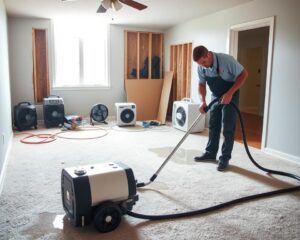
We remove standing water immediately to prevent additional damage and reduce restoration costs. Flood water extraction uses high-powered pumps and wet/dry vacuums. Our industrial-grade equipment removes water efficiently, including in hard-to-reach places.
Safety first. Teams adhere to rigorous procedures to protect both workers and residents. This is especially true when contaminated water is involved. Each step is recorded, helping to guide insurance claims and proving that all water has been extracted.
Drying Methods
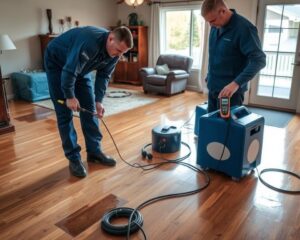
Drying starts right after water removal. Specialized drying equipment like dehumidifiers and air movers are utilized to get the moisture out of the structures and materials. Humidity levels are constantly monitored because if the materials don’t dry quickly enough, mold can begin to grow within 24 to 48 hours.
Follow-up inspections to ensure everything is dry are common. Structural drying methods, including controlled airflow, maintain the stability of walls, floors, and ceilings.
Cleaning Procedures
The restoration process requires deep cleaning. The sanitizing process involves the application of specialized cleaning solutions to disinfect surfaces and eliminate contaminants. We train teams in mold remediation techniques that prevent future growth. This step includes odor removal.
Documentation of the cleaning process backs insurance claims and helps homeowners sleep at night.
Final Restoration
This last step makes sure you get your property back in the condition it was in. Trained technicians restore or substitute affected contents, including drywall, flooring, and cabinetry. We do some quality checks to make sure the restoration is up to spec. Throughout the process, we keep homeowners in the loop.
Unique Local Challenges
Water damage restoration in Hammond, WI, demands a keen grasp of the local environmental, structural, and seasonal challenges unique to the area. Tackling these particular apprehensions allows homeowners and restoration experts to more effectively prepare for and minimize the danger.
Weather Patterns
Hammond, WI encounters a number of different weather-related situations annually that may lead to water damage. Intermittent storms and heavy rain, traditionally during late spring and summer, are common suspects. In the past, the area has experienced heavy rain totals that trigger localized flooding in lower-lying neighborhoods or by creeks and rivers. Snow in winter is an additional factor since melting snow during early spring can overload drainage systems and infiltrate basements.
It’s important to know when the weather changes. With climate shifts making rain and storms less predictable, homeowners need to take proactive steps like sump pumps, reinforced gutters, and routine inspection of drainage systems. Keeping an eye on local weather reports and responding immediately when severe weather warnings are issued means you’re less likely to suffer significant loss.
Common Causes
Hammond water damage can be caused by both internal and external challenges. Plumbing failures, like burst pipes in older homes with outdated systems, are another common problem. Appliance issues, such as water heaters or washing machines, can cause serious water infiltration if they’re not quickly dealt with. Housing in close proximity to high-humidity areas or wetlands is particularly susceptible to moisture accumulation which can cause mold proliferation.
Roof and window leaks are another issue, especially in homes that haven’t been maintained recently. Inspections can help catch signs of wear early, like missing shingles or cracked seals, which could get worse in storms or heavy snow. Hiring experts to evaluate these weaknesses is a good move because a lot of problems won’t be obvious to a layman.
Seasonal Risks
Every season in Hammond introduces particular threats that can intensify the possibility of water damage. Winter is especially worrisome, with frozen pipes frequently bursting. Insulating exposed pipes and keeping your indoor environment warm are the best ways to avoid this. Spring thaw creates ice dams on roofs.
Summer and fall rains are so heavy they can flood basements because they overwhelm drainage systems. Regular seasonal upkeep like clearing gutters, sealing cracks and waterproofing basements helps mitigate these hazards. Properties near flood zones, including the St. Croix River, need extra caution, like elevated foundations or flood barriers.
Professional Expertise
Water damage restoration is a mix of trade science, specialized tools, and safety. With more than 20 years of experience in the cleaning and construction industry, First Response Restoration provides Hammond, WI with reliable solutions for residential and commercial properties. Their solution is a combination of professional certification, training standards, and safety to treat water damage.
Certified Technicians
Our certified technicians are the key to quality restoration. Specific certifications, like those from the IICRC, certify a technician’s professional knowledge in water damage restoration and mold remediation. The table below highlights the differences in certification types and their corresponding benefits:
| Certification Type |
Requirements |
Benefits |
| IICRC Certification |
Extensive training, exam, fieldwork |
Ensures expertise in water damage and mold removal. |
| Basic Restoration Training |
Limited training, no certification |
Lower cost, but less reliable service outcomes. |
| Advanced Specialty Training |
Additional coursework, hands-on work |
Expertise in complex restoration tasks. |
Licensed specialists have access to professional equipment like commercial dehumidifiers and moisture sensors, which allow them to detect and extract water sources quickly. This provides deep cleaning without damaging the property. With certifications, clients can rest assured that work is being done to the best industry standards, providing peace of mind during a stressful time.
Training Standards
Restoration requires continuous learning to maintain technician awareness of current best practices. First Response Restoration places a high emphasis on ongoing training to keep their team up to date. For instance, professionals know to find moisture sources, which is a key first step in avoiding permanent damage and health hazards.
Employers who invest in training not only boost the efficiency of their restoration teams, they deliver consistent results to their clients. Restoration companies with high training standards can manage difficult situations, such as situations that involve needing outside indoor environmental professionals (IEPs) to conduct more advanced environmental testing. This professional dedication to training
Safety Protocols
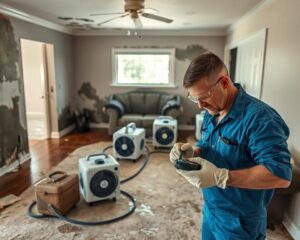
Safety is number one in water restoration. Technicians must adhere to biohazard safety protocols, particularly in instances involving contaminated water or mold infestations. These are the protocols that First Response Restoration enforces in order to protect not just technicians but occupants as well.
Appropriate safety precautions such as PPE and containment of the area to avoid cross-contamination. Restoration teams, for instance, utilize multi-step processes to reduce risks, such as moisture extraction and air cleansing. By putting safety first, they minimize the possibility of side effects in doing good work.
Advanced Solutions and Technology
Some advanced solutions and technology in water damage restoration. Through state-of-the-art technology, pioneering methodologies, and sustainability-driven approaches, firms such as First Response Restoration in Hammond, WI, deliver impactful and trustworthy results to their clientele.
Equipment Used
High-tech gear leads the way in today’s water damage restoration. High-powered air movers, industrial-grade dehumidifiers, and moisture meters are tools often used to tackle water intrusion. Air movers blow air at high speeds to evaporate moisture from wet surfaces. Dehumidifiers pull in moist air and remove the moisture to prevent secondary damage. Moisture meters assist technicians in identifying concealed pockets of water damage, so no area goes unchecked.
Advanced tools and technology are essential for accelerating the restoration process and enhancing accuracy. For instance, infrared cameras can sense moisture behind walls or beneath floors that might otherwise be missed. This precision lessens the amount of demolition and restoration time needed. Truck-mounted water extraction units are commonly deployed to extract significant amounts of water in a short time to minimize secondary damage such as mold or weakened structural integrity.
With advanced solutions and technology, professionals can tailor to the specific needs of each restoration job. Routine maintenance of machine efficiency guarantees quickness, accelerates remediation, and protects the property from further damage.
Innovative Techniques
We use advanced methods to make water damage restoration more effective. One way is through the employment of controlled drying systems that balance temperature, airflow, and humidity levels to provide the perfect environment for drying materials without putting the structure or framing under unnecessary stress.
Another innovation is the use of anti-microbial treatments during restoration. These services include extensive mold and mildew prevention treatments, both of which can start forming as soon as 24 to 48 hours after water intrusion. Pair these with HEPA air scrubbers, and restoration companies can clean the air indoors as they mitigate water damage.
Other new trends, like utilizing smart sensors to track moisture levels in real time, are emerging. These technologies allow restoration crews to monitor progress remotely and make adjustments as necessary in a timely manner.
Environmental Practices
Sustainability is the new priority in water damage restoration. We now employ green cleaners that are human and eco-friendly. Biodegradable solutions clean and sanitize impacted areas without polluting the environment with harmful chemicals.
Responsible waste disposal is a vital piece of eco-conscious restoration. Things like damaged drywall, insulation and other materials are appropriately separated and recycled where possible, minimizing landfill contributions. In addition, low-energy devices, for example, energy-efficient dehumidifiers, reduce the carbon footprint of restoration work.
Supporting Homeowners
Water damage can be overwhelming for any homeowner. First Response Restoration stands behind the families of Hammond, WI, providing swift and efficient services to minimize damage, protect property, and address health and safety concerns throughout restoration. Here’s how they help homeowners during this difficult trek.
Insurance Guidance
Navigating insurance for water damage is tricky. First Response Restoration makes this easier by assisting homeowners in reviewing policies to determine what is covered, such as structural repairs and biohazard cleanup. They define exclusions so you won’t be caught off guard during the claims process.
Claim filing can be intimidating, especially when you’re stressed. They walk homeowners through step-by-step from capturing the damage with photos and receipts to filing claims. For instance, maintaining an itemized list of damaged valuables along with their value will help get approval faster.
Homeowners should jump on it to get the most insurance coverage. Rapid reporting, preferably within 24 hours, is essential for addressing policy needs. First Response Restoration helps with statements that match insurance language, minimizing the risk of denial.
Communication Approach
Transparent communication is key during water restoration. First Response Restoration provides open lines of communication, keeping homeowners updated throughout the process. Inspection findings, mitigation progress, and timelines for repairs are all shared regularly to build trust.
Backing homeowners collaboration is nurtured by asking questions, voicing concerns, or requesting guidance. For example, knowing why dehumidifiers are used to keep indoor humidity between 30 and 50 percent can enable homeowners to avoid mold growth post-restoration.
Empathy is at the core of their methodology. Homeowners in limbo get more than just news; they get comfort. A heartfelt message helps to ease your stress and lessens the intimidating nature of the process.
Success Stories
Living proof of the importance of expert restoration. In one instance, a family’s basement flooded from a broken pipe. First Response Restoration arrived within 24 hours and did not allow mold to take hold, saving furniture with immediate mitigation.
Testimonials speak for themselves. A homeowner shared with us how the right timing saved their home and their wallet! These tales stress acting fast and selecting veterans.
Additionally, good results demonstrate a knowledge of how to handle difficult situations, from biohazards to making sure that insurance claims went through seamlessly. These outcomes emphasize why choosing experienced restoration crews is key to the best restoration.
Prevention and Best Practices
Water damage results in expensive repairs and dangerous health concerns as well. Prevention is your best bet to reduce the potential for damage and includes a combination of regular upkeep, identifying early indicators, and emergency preparedness.
Routine Maintenance
- Examine and clean gutters and downspouts often to keep water from overflowing.
- Caulk windows, doors, and any visible cracks or gaps in your home’s foundation.
- Check plumbing for leaks and fix immediately.
- Test sump pumps occasionally.
- Schedule annual HVAC maintenance to prevent condensation issues.
Taking care of devices such as washing machines and dishwashers is just as crucial. Make sure hoses are secure and free of wear since worn out hoses are a leading cause of leaks. Proactive measures like installing water leak detection systems can identify vulnerabilities early, preventing more extensive damage over time.
Early Warning Signs
- Peeling paint, warped flooring, or bubbling wallpaper.
- Visible mold or mildew, accompanied by musty odors.
- Discoloration or water stains on ceilings and walls.
- Sudden increases in water bills, suggesting hidden leaks.
- Unexplained puddles or dampness in basements or crawl spaces.
Fluctuating indoor humidity levels can be a warning sign. Maintaining humidity at 30 to 50 percent assists in mold prevention, whereas beyond 60 percent humidity becomes a playground for spores. Mold is not only destructive; it can be harmful to your health as well, particularly to anyone suffering from asthma or related breathing issues. By detecting problems early, homeowners can prevent issues from penetrating structures, saving money and stress.
Emergency Preparedness
An emergency plan helps you respond quickly when water damage hits. Start by planning escape routes and safe areas for your family. Have an emergency kit of supplies on hand, including flashlights, batteries, gloves, and plastic sheeting. Provide contact details for licensed, insured restoration companies that have 24/7 availability.
Teach family members to turn off water and power in emergencies. Review the plan once a year to ensure it still fits your family’s lifestyle. Knowing whether the water damage involves clean, gray, or black water helps you respond appropriately, reducing health risks and repair costs. Swift intervention can save a lot of damage, particularly if there’s action within 24 to 48 hours of exposure, which can prevent 80 percent of the damage.
Conclusion
Water damage can feel daunting. The proper assistance turns the tables. First Response Restoration has the tools, experience, and local knowledge to address issues specific to Hammond, WI. They respond quickly, repair expertly, and educate homeowners along every step of the way. Their state-of-the-art equipment and time-tested techniques guarantee quick, dependable outcomes that safeguard residences from additional complications.
That’s why taking quick action is the key to reducing damage and costs. Placing your trust in a team that knows the area and what it needs brings peace of mind to homeowners during a stressful time. From restoring your space to assisting with preventative measures, First Response Restoration is here to help. Contact us now to shield your home and proceed with peace.
Frequently Asked Questions
What is water damage restoration?
Water damage restoration in Hammond, WI by First Response Restoration keeps additional damage, mold, and structural problems at bay in your home.
Why is quick action important for water damage?
Fast response limits harm, decreases repair expenses, and avoids mold development. The longer water sits, the more damage it inflicts on your walls, floors, and belongings.
What makes First Response Restoration different?
We provide immediate service, local knowledge in Hammond, WI, and state-of-the-art equipment. Their crews are trained to cope with area-specific challenges.
How long does the restoration process take?
The time varies depending on the extent of damage. Minor water damage may take a few days, while severe cases could take weeks. A professional assessment helps determine the timeline.
Can water damage lead to mold growth?
Yup, mold can set up shop in 24 to 48 hours. Timely restoration prevents mold growth and helps you create a safer, healthier space.
What technology is used in water damage restoration?
Restoration technicians employ moisture meters, industrial dehumidifiers, and air movers. These guarantee efficient drying and cleanup.
How can homeowners prevent water damage?
Check plumbing, gutters, and roofs regularly. Fix leaks immediately and install a sump pump or water alarm for added protection. Prevention saves time and money.