Key Water Damage Takeaways
- Water damage restoration in North Hudson WI by First Response Restoration. Time is of the essence to avoid additional issues such as mold and structural damage.
- ABOUT FIRST RESPONSE RESTORATION – WATER DAMAGE RESTORATION IN NORTH HUDSON WI.
- Preventive measures, including routine property upkeep and deploying water diversion mechanisms, are essential for mitigating water damage hazards. Maintaining clean gutters and paying attention to humidity levels can be beneficial.
- Comprehensive evaluations, often employing specialized equipment such as thermal imaging, are essential to detect concealed water damage and to strategize tailored restoration plans.
- Record-keeping during restoration backs your insurance claim and keeps things transparent. First Response Restoration helps clients simplify claims with accurate documentation.
- Local knowledge is key when it comes to fighting off special challenges in North Hudson, WI like seasonal weather. As a locally owned and operated company, First Response Restoration’s dedication to the community guarantees superior and attentive service.
How about water damage restoration in North Hudson, WI by First Response Restoration? Focusing on both residential and commercial properties, their services tackle problems such as flooding, leaks, and moisture accumulation. Armed with state-of-the-art technology and skilled professionals, they provide comprehensive mitigation and restoration to halt additional destruction. First Response Restoration, Water Damage Restoration North Hudson, WI 100.0%. They are renowned for their quick response and dedication to customer satisfaction, which has made them a reliable option in the North Hudson community.
Restoration Overview
Water damage restoration is the act of mitigating and restoring damage caused by water intrusions such as flooding, burst pipes, and sewage backups. It’s imperative in defending your home or business from permanent damage, mold, and pollution. Restoration is about restoring a property to its pre-damage condition through cleaning, repairs, or replacements. When you need professional water damage restoration in North Hudson, WI, turn to First Response Restoration, offering timely, effective, and complete solutions for several water damage scenarios.
Key Principles
Water Damage Restoration starts with a complete inspection to gauge the damage. This guarantees all impacted spaces, even concealed ones, are located. Timely response is critical. The longer you wait, the more likely it can proliferate into something worse, like mold or structural damage. Industry standards like IICRC help ensure the process is done correctly to maintain safety and quality.
Communication and transparency are at the heart of a restoration. Home and business owners need constant communication concerning where the job is at, obstacles along the way, and what to expect. Customized options are important because no two water damage scenarios are the same. For example, it’s one thing to take care of a small pipe leak and completely another to repair storm-related flooding.
Process Steps
- Assessment and Inspection: Specialists evaluate the damage, determine the water source and classify its contamination level.
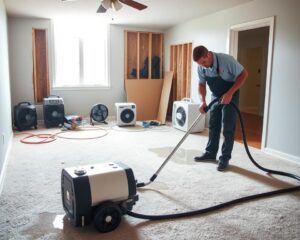
- Water Extraction: Using specialized equipment like pumps and vacuums, standing water is removed quickly to prevent further damage.
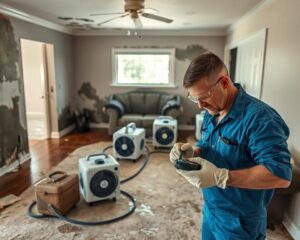
- Drying and Dehumidification: Industrial-grade air movers and dehumidifiers eliminate moisture from affected materials, ensuring no hidden dampness remains.
- Cleaning and Sanitization: All surfaces are cleaned and disinfected to remove contaminants and to prevent health risks.
- Repairs and Restoration: Damaged materials, such as drywall, flooring, or insulation, are repaired or replaced to restore the property.
It helps with your insurance claims and gives you a clear record of the process for future reference.
Service Scope
First Response Restoration specializes in emergency water removal, mold remediation, and structural repairs. They are experts in both residential and commercial properties. Specialized services like trauma and biohazard cleanup emphasize their expertise in managing intricate scenarios. They provide full service from initial water removal to restoration.
Causes and Prevention
Water damage is caused by a variety of sources and is the bane of homeowners and business owners’ existence. Seasonal weather patterns and aging infrastructure continue to amplify this risk, particularly in North Hudson, WI. The facts about what causes molds and how to prevent them are the best ways to protect your properties from expensive repairs as well as health concerns.
Common Sources
- Flooding from heavy rainstorms or snowmelt.
- Pipes that have burst or are leaking from freezing or friction.
- Roof leaks caused by missing shingles or clogged gutters.
- Faulty household appliances like washing machines or water heaters.
- Cracks in foundations, walls, or windows allowing water intrusion.
Household appliances may seem like an odd source, but they’re actually one of the biggest candidates. For instance, a burst washing machine hose or leaking dishwasher can swiftly spew gallons of water, dousing floors and walls. Frequent maintenance and prompt repairs can avoid such mishaps.
Aging infrastructure is a major risk factor. Aging pipes can corrode or crack, resulting in slow leaks that are difficult to identify. Aging building materials might not hold up to the elements, making you more susceptible to water intrusion.
Invisible water sources, including moisture behind walls or beneath floors, can intensify harm when left unaddressed. With tools such as moisture detectors, you can detect these problems early and avoid significant damage.
Prevention Tips
- Regularly inspect and maintain plumbing and appliances.
- Install water alarms or moisture detectors in areas that are high risk.
- Maintain clean gutters and direct downspouts away from the foundation.
- Use water diversion barriers during heavy rains or snowmelt.
- Check indoor humidity and maintain it between 30 and 50 percent.
Good drainage around the property is equally important. Water that pools nearby your foundations can seep into basements or crawl spaces and cause structural damage. Keeping indoor humidity below 60 percent can prevent mold, which begins to grow 24 hours after water exposure.
Maintenance Advice
Regular maintenance is key in preventing water damage. Homeowners need to check roofs and siding for deterioration, such as missing shingles or cracks, particularly after storms. Dealing with minor problems promptly is important before they become costly repairs in the making.
Moisture detectors are a godsend for spotting wet areas before they become a problem. Placing these in basements, next to machines or underneath sinks can offer you early warning. Professional equipment such as commercial-grade dehumidifiers and air blowers may be employed to regulate moisture levels and assist in accelerated drying.
Assessment and Planning
Water damage restoration is a multi-step process that starts with a thorough assessment. Identifying the scope and severity of damage is critical to creating an effective restoration strategy. This involves evaluating visible and hidden damage, structural risks, and potential health hazards like mold growth. Timely assessments, ideally within 24 to 48 hours of water exposure, can minimize complications and prevent issues from escalating into costly repairs. First Response Restoration in North Hudson, WI, emphasizes precision and safety in every step, ensuring efficient remediation tailored to each situation.
Inspection Methods
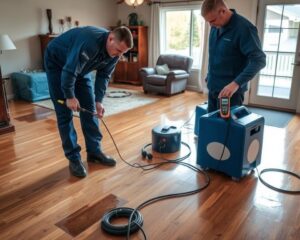
Inspection is the basis of water damage repair. Around the blogosphere, we are obsessed with wired tech toys. These checks alone can fail to detect concealed moisture lurking behind walls, beneath flooring, or in ceilings. Moisture meters measure the water content in materials, and more advanced technologies, including thermal imaging cameras, detect temperature variations that expose concealed water intrusion.
A holistic approach integrates these instruments and methods. Thermal imaging identifies leaks behind drywall, while moisture readings verify soaking of wooden beams or subflooring. Experienced technicians are essential for these examinations, utilizing their knowledge to analyze results. Without them, homeowners run the risk of missing potential problems that could result in damage over time, such as mold or structural compromise.
Damage Evaluation
Damage evaluation is based on evaluating the extent of water intrusion and its effect on a property. Your criteria are the type of water (clean, gray, or black), what is affected, and how long it has been in contact. Structural concerns are paramount, as extended exposure can compromise support beams, walls, and flooring. Mold growth is another major worry since it can erupt within 24 to 48 hours and be hazardous to your health.
Detailed documentation is crucial during this stage. Photos, moisture readings, and written reports guide restoration efforts and are essential for insurance claims. This evaluation process informs the restoration plan, ensuring it addresses every aspect of the damage comprehensively and efficiently.
Custom Solutions
- Drying and dehumidification for areas with high moisture levels
- Mold remediation to prioritize health and safety
- Structural repairs for compromised beams, walls, or flooring
- Specialized treatment for delicate materials like carpets or furniture
- Preventive measures, such as sealing leaks and improving ventilation
First Response Restoration customizes its approach to address the specific issues of every individual situation. For instance, a home with hardwood floors needs to be dried carefully to avoid damage, whereas a commercial property might necessitate industrial-scale dehumidifiers. Be flexible; no restoration project is exactly the same, and meeting specific needs makes the entire process more successful.
Techniques and Technology
Effective water damage restoration relies on advanced techniques and modern technology to ensure properties are restored efficiently and safely. First Response Restoration North Hudson, WI in water damage is a full-service organization that utilizes the latest technology and techniques. Ongoing industry innovations enable us to achieve the utmost standards and minimize long-term concerns.
Water extraction is the cornerstone of the restoration procedure. Fast extraction of standing water is crucial in minimizing additional structural damage and limiting the potential for mold growth to begin within 24 to 48 hours of exposure. High-powered industrial vacuums and pumps are the everyday tools of this task, providing you the ability to remove as much water as you can, quickly.
Specialized equipment like moisture sensors locate concealed moisture in walls, floors, and ceilings. This comprehensive method makes certain that all water is treated, especially in spots where it could otherwise be overlooked. Quick and thorough extraction prepares you for drying, minimizes indoor moisture, and safeguards the home from subsequent damage.
Drying Systems
After the water is extracted, drying systems are deployed to bring the property back to a safe living condition. A mix of industrial dehumidifiers and air movers is crucial to get the drying process moving quickly. Dehumidifiers reduce humidity with the goal that indoor moisture is maintained under 60 percent, or even better, 50 percent, in order to avoid mold growth. Air movers blow dry air across the surface to speed evaporation.
Structural drying is the next vital stage, utilizing specialized equipment to address surfaces such as wood, drywall, and insulation. This allows compromised areas to be restored to their undamaged integrity, minimizing the potential for permanent structural degradation. Pros keep a close eye on their progress with moisture meters to ensure maximum performance.
Contaminant Removal
Water damage can bring contaminants, particularly if the source is outside or a sewage backup. It is important that we eliminate these toxins in order to make it safe. We use advanced cleaning products and sanitization methods to get rid of bacteria, pathogens, and mold spores.
Contaminated water can cause serious health problems, such as respiratory issues and infections. A deep clean not only eliminates these risks but stops additional harm to surfaces and materials. It is a crucial step in returning the property to a clean and safe environment.
Structural Repairs
Water damage likes to ruin structural features, which have to be fixed. Typical fixes involve swapping out damaged roofing, siding, and flooring. Experienced technicians determine the damage and repair it in a way that will hold up to you trying to do it again.
Repairs that last come first. Restoration crews employ state-of-the-art equipment and technology to provide permanent solutions that tackle both surface and underlying damage to protect the home.
Health and Safety
Water damage restoration is about more than just your property. It’s about your health and safety. Particular attention to hazard identification, protective measures, and compliance with regulations is crucial to reduce risks in recovery. Neglect these and you could be facing serious health hazards, expensive repairs, and structural damage that’s hard to undo.
Hazard Identification
Water-damaged environments are a minefield of hazards and must be carefully evaluated prior to restoration. Mold growth is one of the most frequent hazards, flourishing in moisture and posing respiratory and allergic risks. Whether from floodwaters or sewage backups, they bring with them bacteria and contaminants that can cause infections and other illnesses if not treated properly. These dangers emphasize our urgency to act before things get worse.
Electrical hazards are another big concern. Water exposure to wiring or appliances can cause shock hazards, especially in older homes with antiquated systems. Structural instability due to long-term water damage can result in unsafe conditions, like weakened floors or walls that could cave in. Expert veterans are essential in recognizing and preventing these hazards, making the site safe for restoration crews and homeowners alike.
Protective Measures
Its safety in restoration depends on strong safeguards. PPE, including gloves, goggles, and respirators, is key for experts operating in polluted or dangerous conditions. Take, for example, sewage cleanup. There are many bacteria and pathogens you really need to gear up to avoid.
Securing the scene is a second step. Limiting access keeps others out of harm’s way, especially when structural instability is present. Equally important is proper ventilation, which disperses harmful fumes and facilitates faster drying, reducing the risk of mold growth. These precautions combined protect workers and property occupants during the entire restoration process.
Regulatory Compliance
By respecting local rules and standards of the sector, the restoration work is safe and efficient. With certifications like the Institute of Inspection, Cleaning and Restoration Certification (IICRC), it shows the company’s dedication to professional ways. Observing these standards safeguards not only restoration teams but also property owners, assuring that health risks and structural worries are managed properly.
Regular training is mandatory in order to be updated on changing safety standards, especially when new challenges arise in the field. This dedication to learning fortifies confidence and dependability, making certain that restoration methods continue to be successful and safe.
Timelines and Outcomes
Water damage restoration is a multi-phase process that requires proper planning and implementation to recover to completion. Timelines for such projects vary widely depending on how bad the damage was and how quickly the restoration team was able to act. Here, we explore the usual timelines, critical factors, and what successful water damage restoration looks like with First Response Restoration.
Project Duration
Water damage restoration timelines typically vary based on the severity of the damage and required steps. The table below outlines typical durations:
| Restoration Stage |
Average Duration |
| Initial Water Removal |
1–3 days |
| Drying and Dehumidification |
3–7 days |
| Cleaning and Sanitization |
2–5 days |
| Structural Repairs (if required) |
1–4 weeks |
Quick actions can substantially decrease these timelines. For instance, tackling some water damage within that 24 to 48 hour period can prevent problems like mold growth, which can otherwise very rapidly begin to settle in wet-damaged areas. Streamlined processes, like the use of cutting-edge drying technology straight away, mean lag time is kept to a minimum. Transparent communication with the restoration team and client is just as important, as this enables realistic expectations and updates throughout the process.
Influencing Factors
There are a few variables that influence the duration of water damage restoration. The level of damage is a big factor. Extreme instances where water has absorbed into building materials or triggered mold need more time. Bigger homes or complicated floor plans contribute to the timeline because there are more rooms to cover.
Weather can impact restoration as well. High humidity makes it dry slowly and cold may even prevent dehumidification. Planning restoration activities around these variables guarantees the most efficient advancement. Wet carpets and upholstery, for example, can become mold magnets if not handled quickly, underscoring the need to customize approaches to the particular circumstances.
Success Stories
FIRST RESPONSE RESTORATION has fulfilled many water damage restoration projects in North Hudson, WI. There was one instance, a flooded basement, where our quick action helped us avoid mold altogether. We had the water removed and were drying the space within 48 hours, preventing the client from having to pay for structural repairs down the road.
Clients rave about them all the time. One customer remarked how the team’s expediency and transparency eliminated any stress in the process. These success stories don’t just underscore what good restoration looks like, they show how reliable the company is.
Insurance and Support
Insurance and support – Knowing your coverage and having the right support during water damage restoration is crucial for property owners in North Hudson, WI. We understand how to deal with the insurance companies and how to work with them for you.
Coverage Options
Insurance for water damage restoration usually comes in the form of a homeowner’s or property insurance. These policies vary, and the table below outlines the common types of coverage:
| Type of Coverage |
Description |
| Dwelling Coverage |
Covers structural damage to the home, including walls, floors, and roofs. |
| Personal Property Coverage |
Protects belongings such as furniture, electronics, and clothing. |
| Additional Living Expenses |
Covers temporary housing costs if the property becomes uninhabitable. |
| Flood Insurance |
Specific to flood damage, often requiring a separate policy. |
Property owners who pay close attention to policy details ensure they know their coverage limits and aren’t caught off guard. For example, dwelling insurance can cover water damage from a burst pipe, but may exclude damage due to neglect. Policies often exclude some types of water damage entirely, like natural flooding, unless you have a separate flood insurance policy. By proactively talking to insurance providers, property owners can remove this uncertainty and know exactly what is covered ahead of a crisis.
Claims Assistance
First Response Restoration takes the hassle out of the insurance claims process for our clients, something that adds additional stress to an already distressing disaster. Their team liaises with insurance adjusters, offering comprehensive evaluations and price quotes to assist claims. Precise paperwork, including before and after photos and itemized repair lists, expedites processing and reduces conflicts.
Restoration pros are client advocates, helping to make sure that everything that needs to be repaired is included in claims. If they find some hidden mold or structural issues during restoration, they make sure to document and report these to the adjusters at the insurance company. Claims need to be filed quickly because waiting too long will only extend the restoration timeline or cause you to lose out on reimbursement altogether.
Documentation
Detailed records are key to effective insurance claims. In restoration, keeping track of everything you do is essential. These can be inspections, repair invoices, and communication records with insurance providers.
Photographs and videos of the damage and written reports of the work done. These records are important for claiming and are a great resource for future maintenance or disputes. Through diligent record-keeping, villa owners can keep the restoration process organized, streamlined, and well-evidenced.
Local Insights and Perspective
Water damage is a serious threat to property owners in North Hudson, WI, as specific geographical and climatic elements compound the perils. First Response Restoration has become a trusted partner in tackling these issues, providing not only expertise but local insights and perspective.
Water damage isn’t just a problem for properties; it’s a problem for the entire North Hudson community. Local flooding, for example, can impose stress on shared infrastructure such as drains while inconveniencing residents. We are here to help with those local restoration efforts because the faster the community gets the assistance it needs, the less structural and long-term financial repercussions there are.
First Response Restoration is a part of this resilience by focusing on quick response and customized solutions. Their responsiveness, typically within 24 to 48 hours, stops the damage in its tracks, which resonates with local residents’ focus on immediacy. For instance, following heavy rains, their crew has prevented water intrusion in high water table homes and stopped further mold growth.
It’s involved in its own community water damage prevention efforts. These range from property-centric workshops, like clearing gutters and inspecting foundations, that are crucial in regions susceptible to seasonal flooding. These initiatives underscore the role of communal consciousness in preventing water crises.
Unique Challenges
Restoration expert North Hudson confronts unique difficulties because of the local climate and terrain. Seasonal patterns in weather, especially freeze-thaw cycles, generate just the right environment for water to seep into foundation walls, usually without anyone noticing until it’s too late. North Hudson’s steamy summers can contribute to trapped moisture inside, which gives rise to mold and rot.
Tailoring restoration strategies to this is crucial. For example, dealing with concealed standing water usually necessitates high-tech diagnostic equipment and comprehensive inspections that leave no destruction undiscovered. First Response Restoration spends a lot of time training their team to deal with these issues. Their customized methodology captures the necessity for adaptability and knowledgeable service in a market with seasonal risks that vary widely.
Professional Commitment
First Response Restoration’s commitment to quality shows in all that they do. Their professional and technical team focuses on delivering customer delight. Local residents love pointing to the company as a trusted name for North Hudson water damage.
Ongoing refinement is key to their mission. By incorporating customer reviews and remaining current on industry developments, First Response Restoration strives to continually perfect their offerings. This dedication keeps them a reliable resource for homeowners with water damage.
Conclusion
Water damage has the potential to upend life and leave a residue indefinitely if not addressed promptly and correctly. First Response Restoration in North Hudson, WI, brings the tools, experience and local know-how to these challenges head on. From identifying damage to revitalizing your space, their team operates with compassion and thoroughness throughout the process.
Their attention to safety, efficiency, and transparency makes you feel confident and cared for throughout. From minor leaks to major floods, they help you return to normal.
Contact First Response Restoration for trusted assistance when you need it most. Their professionalism and commitment to excellence make them a reliable option for bringing your property and peace of mind back to life.
Frequently Asked Questions
What is water damage restoration?
Water damage restoration is the cleaning, repair, and restoration of a home or property impacted by water. It consists of extracting water, drying the structure, and restoring any damage to avoid subsequent problems such as mold.
What are common causes of water damage?
Water damage due to burst pipe, rain, flooding, appliance leaks or sewer backups. Understanding the source helps us determine the appropriate restoration technique.
How long does water damage restoration take?
It depends on the extent of the damage. Light cases take a few days, while severe damage takes weeks. A professional inspection gives you a better estimate.
Is water damage restoration safe for my health?
Oh yeah, when done right. They employ advanced technology to extract water and disinfect spaces, minimizing hazards such as mold and bacteria.
Does insurance cover water damage restoration?
It varies based on your policy. Most insurance policies will cover sudden and accidental water damage but not damage caused by neglect or flooding. Check your insurer for details.
Time is of the essence. Shut off water and electricity if safe. Extract valuables and contact a professional restoration service, such as
First Response Restoration, to evaluate and manage the damage.
Why choose First Response Restoration in North Hudson, WI?
We bring local expertise, rapid response times, and effective solutions. They utilize state-of-the-art technology to restore your property with an emphasis on safety and customer satisfaction.