

Key Takeaways
- Water damage in Saint Croix Falls occurs due to heavy rain, spring thaw, and storm seasons that create an increased risk for your basement and roof. Routine inspections and maintenance can address these susceptibilities.
- When it comes to water emergencies, immediate action is key. Shutting off utilities, extracting valuables, and calling restoration experts can significantly reduce damage.

- With advanced techniques and equipment, such as moisture mapping and high-powered pumps, they efficiently remove and dry out water, helping to prevent mold growth and structural damage.
- Health and safety must continue to be a focus of restoration. Appropriate cleaning, mold mitigation, and air quality testing safeguard residents as well as residences.
- Preventive efforts, such as keeping up with your gutters and dealing with plumbing problems, can protect your home from potential water damage. Seasonal preparations are key to long-term security.
- By working with qualified and vetted restoration crews, homeowners get trusted locally delivered services, clear communication, and assurances through warranties and support.
Water Damage Restoration Saint Croix Falls WI – First Response Restoration – Specializing in leak, flood and storm damage, their certified team provides effective restoration solutions. Armed with state-of-the-art technology, they tackle mold and reconstruction issues in a timely manner. From minor water damage to full-blown restoration, their services will return your property to its pre-damage condition.
Local Water Challenges
Water damage in Saint Croix Falls, WI, is a major threat considering the area’s unique environmental characteristics and the shifting seasons. Whether it is heavy rains or winter freeze, knowing the culprit and what’s vulnerable is key to restoring and preventing.
Common Causes
That’s because heavy rain is among the top causes of water damage in Saint Croix Falls. Torrential rains can subsume the local drainage system, causing floods to nearby low-lying areas and riverside or lakeside properties. Sandy soils in areas like these do not retain water well and are more prone to water collecting around foundations.
Burst pipes are just one of the common plumbing failures that are a source of water damage. These can happen anytime during the year, but they are especially prevalent during winter, when freezing temperatures cause pipes to burst. This can result in major water damage and water loss if not remediated fast.
Sewer backups are a major factor, particularly in locations with old infrastructure that can’t quite handle surges in rainfall or obstructions. These can cause contaminated water to invade homes, which presents grave health hazards and calls for urgent expert restoration.
Natural disasters like floods compound water damage risks. These are local water challenges that, in the case of shoreline or lakefront properties, can consist of storm surge or wake-driven waves pushing high water into crawlspaces and under piers.
| Cause | Impact |
|---|---|
| Heavy Rainfall | Flooding in low-lying and poorly drained areas. |
| Burst Pipes | Water loss and structural damage, especially in winter. |
| Sewer Backups | Contaminated water entering homes, health risks. |
| Natural Disasters | Damage to shoreline homes; flooding in vulnerable zones. |
Seasonal Risks
Spring thaw adds to the challenges as melting snow joins with seasonal rains, raising the prospect of flooding. Winter brings frozen pipes, ice dams and water infiltration through roofs and walls!
- Spring: Snow melt and heavy rains increase flood risks.
- Summer: Storms and high water tables threaten drainage systems.
- Fall: Clogged gutters from fallen leaves lead to water pooling.
- Winter: Ice dams and frozen pipes cause leaks and bursts.
Seasonal variations challenge local water systems. Local water challenges, such as poorly maintained roadside ditches or debris-choked rural lots, can exacerbate drainage issues, necessitating proactive measures such as swales or French drains to divert water from your property.
Property Vulnerabilities
Basements in Saint Croix Falls are particularly vulnerable to flooding because they are below ground level and the water table is unusually high. Without foundation sealing or sump pumps, water can cause years of problems from mold to structural damage.
Roofing conditions are important. Low-slope roofs are especially exposed to ice dams in winter that can drive melted snow underneath shingles and into attics. Periodic checks and maintenance are necessary to avoid such damage.
Gutters and downspouts are another key zone. Blockages from debris or ice can cause water to spill over and collect near foundations, resulting in basement leaks. Ensuring these are clear and functional safeguards against water collection.
Inspection Checklist
- Basements: Seal cracks, install sump pumps, and monitor humidity levels.
- Roofing: Check for missing shingles, inspect flashing, and remove snow build-up.
- Gutters and Downspouts: Clear debris, ensure proper slope, and extend downspouts away from foundations.
Emergency Response
Water damage situations require immediate and systematic responses to save additional damage to property and residents. Smart emergency response will keep you safe, reduce risk, and prevent long-term damage, especially with floods or leaks.
Rapid Action
Water extraction is always the initial response to an emergency. This has to be done within 24 to 48 hours because mold can grow and spread quickly and ruin indoor air quality. This is where the professionals come in; they can see the full damage and implement a solution that fits. For example, if there is deep flooding, experts can send in high-powered pumps or industrial vacuums to suction up the water.
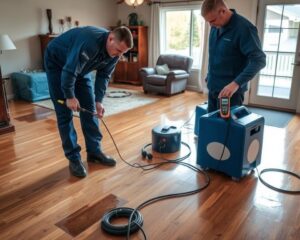
Advanced tools including moisture meters and thermal imaging cameras are essential in locating these covert moisture nests. These tools help make sure you don’t miss a spot, minimizing the possibility of structural damage or mold. For homeowners, experts recommend you call restoration services as soon as water intrusion is discovered. Postponing response multiplies remediation expenses and the risk of permanent harm.
Safety Priorities
Safety always comes first when restoring water damage. Structural integrity needs to be addressed immediately, as any extended water exposure risks compromising the strength and safety of walls, floors, and ceilings. Experienced technicians will typically set work zones to contain hazards and minimize risks to both workers and residents.
Correct PPE is a must. Gloves, masks, and waterproof boots protect you from exposure to contaminants typically lurking in floodwater, like bacteria or chemicals. Use chemical-free antimicrobial disinfectants to sanitize affected areas without putting harmful substances into the environment. Electrical hazards are another vital consideration. Water-damaged wiring or outlets are hazards as well and need to be identified and addressed early on.
Instructing homeowners on safety measures, like steering clear of standing water until it can be checked for live electrical hazards, safeguards them during the restoration process.
Immediate Steps
Homeowners can take immediate action to mitigate damage while waiting for help. Shutting off services such as electricity and water aids in avoiding complications like electrical fires or further leaking. By taking valuables and furniture out of wet spaces, you can save them before they are permanently damaged.
It’s important to document the damage with photos or video for insurance claims. It gives restoration teams a clear picture of the original conditions. Air out affected areas by opening windows or using fans to decrease moisture and inhibit mold spread.
Advanced Restoration Methods
Water damage restoration has come a long way, with today’s methods using high-tech equipment and specialized tools to make remediation more efficient and effective. These methods not only tackle visible damage but reduce hidden hazards, such as mold growth and structural instability, bringing properties back to pre-damage conditions.
Innovative Equipment
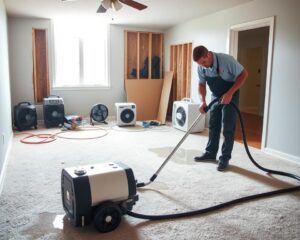
High-powered pumps are a must to pull as much water as possible, as fast as possible to prevent the infiltration of moisture for an extended amount of time. These pumps shine in extreme cases of water damage, like basement flooding, where time is of the essence to stop it from getting worse.
Moisture mapping tools like thermal imaging cameras are key to identifying concealed pockets of water. These tools enable restoration experts to identify moisture hidden behind walls, beneath flooring or within insulation, places commonly missed in basic evaluations. Taking care of these hidden problems guarantees a thorough restoration.
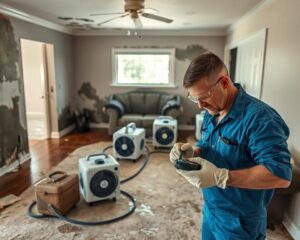
Dehumidifiers and air movers are key to structural drying, as they lower indoor humidity and accelerate drying. These devices keep secondary damage at bay and maintain an environment that is inhospitable to mold. HEPA-equipped air scrubbers help purify indoor air, reducing odors and airborne contaminants that can result from restoration efforts.
Modern Techniques
Structural drying is the process of placing drying equipment in order to repair materials such as wood, drywall, and carpeting. This secures persistent moisture levels aren’t threatening the well-being any longer.
Thermal imaging is becoming more of a mainstay for finding moisture in difficult places. Infrared cameras allow them to detect water damage behind surfaces without destructive inspection, making the process quicker and more accurate.
Extending past drying, advanced restoration involves deep cleaning and sanitizing. Best cleaning protocols eliminate harmful germs that may be present, toxic residues and pathogens. Mold prevention techniques like antimicrobial treatments protect the property from future issues.
Efficiency Benefits
Efficient restoration is not just about speed. It is about smart repair. Advanced methods reduce secondary damage, such as mold or structural weakening, which results in lower restoration costs.
Faster turnaround times are good for property owners’ pocketbooks and for customer satisfaction since things get back to normal sooner. They adopt green, long-term solutions that prevent recurring water damage.
Restoration Process
Water damage restoration is a complex, multi-step process focused on handling damage as quickly and effectively as possible. At every step, we’re addressing the problem at hand and taking measures to ensure the issues don’t come back, such as mold or structural damage. Here’s the process in detail.
Assessment Steps
The first step in any restoration process is a thorough assessment. Teams conduct detailed inspections to evaluate the extent of water damage and identify areas that may not be immediately visible. Moisture readings play a crucial role here as they ensure affected areas are accurately pinpointed, even in walls, floors, or ceilings.
All findings are logged to customize a restoration plan specific to the property’s needs. This documentation assists homeowners in gaining a better grasp of the extent of the damage and the efforts needed. Frequent updates keep everyone informed during this important stage, fostering confidence and managing expectations.
Water Extraction
Being fast is the best way to stop the water from spreading. Emergency water extraction techniques such as industrial grade pumps are implemented to remove standing water. Carpets and upholstery receive extra care because these items can harbor moisture and lead to mold formation.
The objective here is completeness. By extracting obvious and concealed water, technicians set the stage for drying the property and minimize the potential for chronic structural or health problems.
Drying Procedures
Secondary moisture is even worse than standing water when it goes unchecked. Professional drying tools like dehumidifiers and air movers remove any residual moisture. With routine monitoring, we can ensure that everything is drying and in accordance with industry standards.
Not only does this prevent mold, it protects the structural integrity of the property. Drying is a careful phase, so you just need to be patient!
Cleaning Protocols
Floodwaters can contain dangerous bacteria and contaminants. We combat this by adhering to rigorous cleaning regimes and wiping surfaces down with industry-approved cleaning agents. We specially handle carpets and upholstery to bring back hygiene and eliminate odor.
Following best practices, technicians make sure that everything is properly cleaned so they leave a healthy home for homeowners.
Final Repairs
As soon as it’s dry and sanitized, repairs start. This may involve fixing structural damage, like swapping out drywall or fixing flooring. Anticipatory actions, such as treating the surfaces to resist future moisture, are frequently taken during this stage.
Defined timelines and regular updates keep the homeowners informed, resulting in an end result that they appreciate.
Health and Safety Focus
Health and Safety Focus
In water damage restoration, health and safety focus is paramount. If left unchecked, water damage can cause structural issues, health concerns, and expensive repairs. At 1st Response Restoration in Saint Croix Falls, WI, we incorporate the strictest safety methods into every phase of our restoration process.
Contamination Risks
Floodwaters and sewer backups are commonly contaminated with substances that may put the occupants at risk. Direct use of water can expose you to contaminants and pathogens that can cause serious health issues. Sewage spills are especially dangerous and demand a quick response. When restoring, experts evaluate the level of contamination to decide how to proceed.
Rigorously cleaning and disinfecting are important. With the help of professional equipment and EPA-approved disinfectants, we eradicate pathogens and sanitize. Items like carpets and drywall that are absorbed with the contaminated water are removed and disposed of in order to keep the risk down. Hazardous waste is disposed of in accordance with local regulations to keep your home and the environment safe. Training homeowners on the risks of exposure to untreated water enables them to know that quick response and proper remediation are important.
Mold Prevention
Water damage and moisture can lead to mold growth, which can be a serious health hazard if not treated quickly. To avoid mold, restoration crews concentrate on quick drying and dehumidification. They use industrial-grade dehumidifiers and air movers to pull moisture out, mitigating the risk of mold.
Homeowners are warned about mold signs like smells or wall discoloration and health risks like respiratory problems and allergies. Where repairs are needed, using mold-resistant materials such as treated wood or specialty drywall gives you extra defense against future infestations. We recommend post-restoration inspections to catch any mold issues early.
Air Quality
Depending on the restoration process applied, it can have a significant impact on your indoor air quality. Contaminants introduced by water damage, along with the restoration activities themselves, can contribute to respiratory airborne particles. One of the most important things you can do to maintain a safe space during the process is to have air quality monitoring.
They frequently rely on air purifiers and HEPA filtration to trap dangerous particles and enhance their air quality. Good ventilation is important as it prevents damp and stuffy air. Homeowners are trained on how to ventilate after restoration to reduce future problems. Everything is done with an eye on HEPA air quality, and the space is safe for re-entry.
Expertise and Reliability
First Response Restoration is best known for full-service water damage restoration in Saint Croix Falls, WI. Their dedication to quality service shines with their experienced team, professional certifications, and customer-centric attitude.
Technician Training
Ongoing training is at the heart of the team’s experience. Our technicians attend workshops throughout the year to stay ahead of changing restoration techniques so they are equipped to handle even the most complicated water damage situations. For example, they know advanced moisture detection equipment and drying technology so no damage goes undetected.
Hands-on experience is a big part of their training. With over 20 years of experience in the field, we’ve seen it all, from small leaks to full-on flood damage. This deep well of experience breeds professionalism and security, both of which are critical when you’re dealing with intimate situations like clients’ houses and possessions. Their training focuses on custom service.
Certifications
Certifications prove the team’s dedication to quality. First Response Restoration holds multiple credentials that reflect their expertise and adherence to best practices:
| Certification Name | Issuing Body | Significance |
|---|---|---|
| IICRC Certification | Institute of Inspection, Cleaning and Restoration Certification | Ensures expertise in water damage restoration. |
| EPA Lead-Safe Certification | Environmental Protection Agency | Compliance with safety regulations for homes. |
| WRT (Water Restoration Technician) | IICRC | Specialized knowledge in water damage recovery. |
These certifications not only keep them compliant in their local jurisdictions but earn trust with clients. Membership in reputable industry associations underscores their commitment to excellence. Proven credentials speak to the group’s capability to provide excellent work while valuing accuracy and integrity.
Customer Assurance
They pride themselves on customer satisfaction. Transparent communication occurs from the initial estimate through completion of the restoration. This honesty calms clients down in stressful situations. Key communication points include:
- Providing detailed damage assessments and restoration plans.
- Offering realistic timelines for project completion.
- Updating clients on progress regularly.
- Addressing questions or concerns promptly.
My team provides warranties and guarantees to give their work confidence. Their customer reviews speak volumes about their accomplishments. As one client put it, ‘They answered the phone in the middle of the night. They’re open 24/7 and they care about protecting the things you value.’
Long-Term Solutions
Tackling water damage means more than just restoration. It encompasses the measures you take to protect homes from future events, giving homeowners in Saint Croix Falls, WI reassurance.
Preventive Measures
- Keep roofs and gutters clear by removing debris frequently, particularly during late fall when leaves can quickly load down any drains.
- Install French drains along long driveways or swales on sloping yards to divert water from your home.
- Think long-term. Sandbags or temporary barriers in flood-prone areas are not practical for all properties.
- Tackle plumbing issues head-on, whether they are leaky faucets, worn-out hoses, or burst pipes.
- If you live in a high water table area, install a sump pump or a backup system.
Regular maintenance, such as flushing eaves troughs and sealing minor roof leaks, is vital. Even simple landscaping tweaks, like grading soil to slope away from foundations, can minimize water pooling on your grounds.
Maintenance Tips
On the homeowner side, here’s some advice on more long-term solutions: maintain your plumbing, check for early signs of leaks in pipes, toilets, under sinks, etc. It’s important to check appliances such as water heaters and washing machines for cracks or rust that may cause leaks.
Don’t forget about indoor humidity control. Lower levels, below 50%, will prevent mold growth, such as occurs in basements or other poorly-ventilated areas. Seasonal preparations, such as draining cabin plumbing prior to winter or closing your main water valve before a long trip, can help prevent freeze-related damage.
Checking weather predictions and securing outdoor furniture during storms can protect homes from water damage.
Warranty Options
First Response Restoration has warranty options for homeowners. These contracts often include labor and material for services provided, offering durable protection and assurance in the restoration work.
A warranty guarantees that any after-restoration issues, whether it’s undetected moisture or structural weakening, are taken care of quickly and at no extra cost. Homeowners should ask what is covered, how long it lasts, and if any exemptions exist before signing up.
Knowing these particulars prevents miscommunications and makes homeowners feel confident in their restoration partner’s long-term support. Long-term warranties are a comfort, particularly following a traumatic event such as water damage.
Personal Perspective
Water damage restoration in Saint Croix Falls, WI, entails knowing what makes life difficult for locals and fixing them with a community-first mindset. 1st Response Restoration marries local knowledge with a dedication to serve, so that each project puts safety, efficiency, and the human element first.
Local Insights
Saint Croix Falls has a variety of weather that can lead to water damage such as heavy rains, snowmelt and storms. These cause some localized flooding, especially in low-lying areas and near the river. History shows that seasonal flooding is not unusual, with some neighbors remembering numerous basement floods during spring thaw or following violent rainstorms.
Tales from tenants underscore the heartache that water damage can cause. One homeowner recounted how a wintertime burst pipe ravaged their living room and they had to replace just about every piece of furniture. For numerous others, the sentimental value of their possessions renders revival more than just a science; it’s about restoring a feeling of normalcy. Community resources, like local fire departments and seminars on flood preparedness, are indispensable in arming homeowners.
Unique Challenges
The closeness to the Saint Croix River creates its own difficulties, with seasonal river flooding reaching into homes. Aging infrastructure, including older plumbing and drainage solutions, compounds the water woes. These weaknesses along with Wisconsin’s freeze-thaw cycles can create cracks in the foundations or leaking roofs.
Locally, homes typically have basements, which are one of the most susceptible areas to water damage. Bad air circulation and high humidity provide the perfect environment for mold to develop, which can affect the health of those living inside. Professional restoration, including drying, mold remediation, and secondary prevention like sump pumps, is needed to reduce these dangers and shield homeowners from lingering problems.
Commitment to Community
First Response Restoration shows their commitment by being there for homeowners during water emergencies. Their team frequently partners with local groups to offer things such as short-term accommodations or repair funds. Community outreach programs, like water damage prevention workshops, assist homeowners in learning best practices, like keeping gutters clean and making grading adjustments around their home, to reduce risk.
Conclusion
Water damage can upend life in surprising ways. With the right assistance, it doesn’t have to cause permanent issues. First Response Restoration in Saint Croix Falls, WI has experienced crews and established protocols to get homes and businesses back on their feet today. They prioritize safety, skill, and sustainable solutions for dependable outcomes.
When it comes to emergencies, having a trusted partner makes all the difference. From unexpected floods to lurking leaks, immediate response and expert attention safeguard your space and wellbeing. Experience and dedication are what First Response Restoration delivers on every project.
If you’re dealing with water damage, call a first response team. Let First Response Restoration help you get back to normal.
Frequently Asked Questions
What is water damage restoration?
About: Water damage restoration in Saint Croix Falls, WI by First Response Restoration. It stops additional destruction and makes your environment safe and healthy once more. Experts employ cutting-edge equipment and techniques to revitalize spaces.
How quickly should water damage restoration begin?
Restoration needs to start within that 24 to 48 hour window or else mold and structural damage could form. A rapid response proves crucial in mitigating risks and minimizing repair expenses. The important thing is to get in touch with a trusted service right away.
Why choose First Response Restoration in Saint Croix Falls, WI?
First Response Restoration is fast, professional water damage restoration experts. These trusted experts come equipped with state-of-the-art machinery and expertise along with decades of experience. Their local knowledge translates to customized approaches to Saint Croix Falls’ unique water issues.
What does the restoration process involve?
It involves evaluating the damage, extracting water, drying, sanitizing, and restoring the area. Experts can address mold threats and structural issues to ensure lasting safety and quality.
Is water damage dangerous to health?
Yes, unmitigated water damage means mold, bacteria, and poor air quality. These molds may lead to respiratory problems and other health issues. Water damage restoration services in Saint Croix Falls, WI, by First Response Restoration.
Can water-damaged items be salvaged?
Certain materials, including furniture and personal belongings, can be restored based on the severity of the damage. Experts measure and apply advanced methods to salvage what they can.
How can I prevent future water damage?
Routine maintenance, monitoring plumbing, and fast repair of leaks ensure water damage is a thing of the past. Other long-term solutions, such as installing sump pumps, sealing cracks, and improving drainage, are effective.